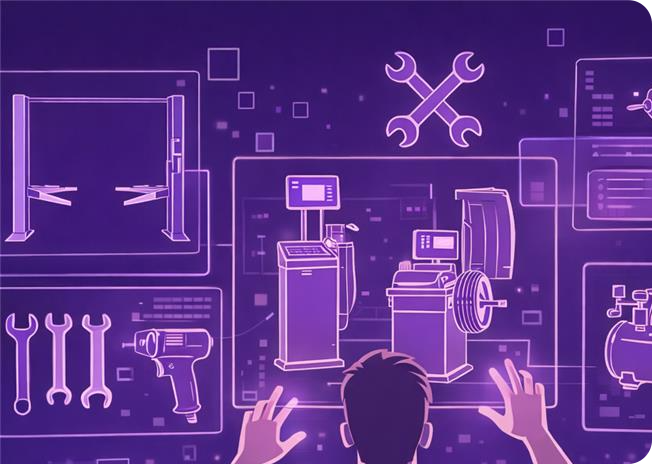

Customer-Facing Benefits
Improved retention · Reduced repeat visits · Enhanced reputation
The benefits of asset management don't stop at the shop floor — they extend directly to the customer experience and the dealership's reputation in the market.
Enhanced transparency:
Customers today expect documentation. Providing detailed service records — including which tools were used, calibration dates, and maintenance history — builds trust and gives customers confidence that their vehicle was serviced correctly. This transparency directly supports customer loyalty and repeat business.
Reduced repeat visits:
When technicians use properly calibrated, well-maintained tools and follow documented procedures, the quality of work improves measurably. Fewer errors mean fewer callbacks, fewer warranty disputes, and fewer customers returning for the same unresolved issue.
Improved dealership perception:
A professional, organized operation is visible to customers. When service advisors can show clients a clean, documented process — and back it up with records — it elevates the dealership above competitors who rely on manual, undocumented workflows.
In a competitive market, operational excellence is a brand differentiator. Asset management is the infrastructure that makes it visible.
Related Benefits
View All
Theft Reduction (Cycle Count)
Regular inventory audits recover 10–20% of "missing" assets — tools that are often stolen, misplaced, or unaccounted for across multiple bays and locations.
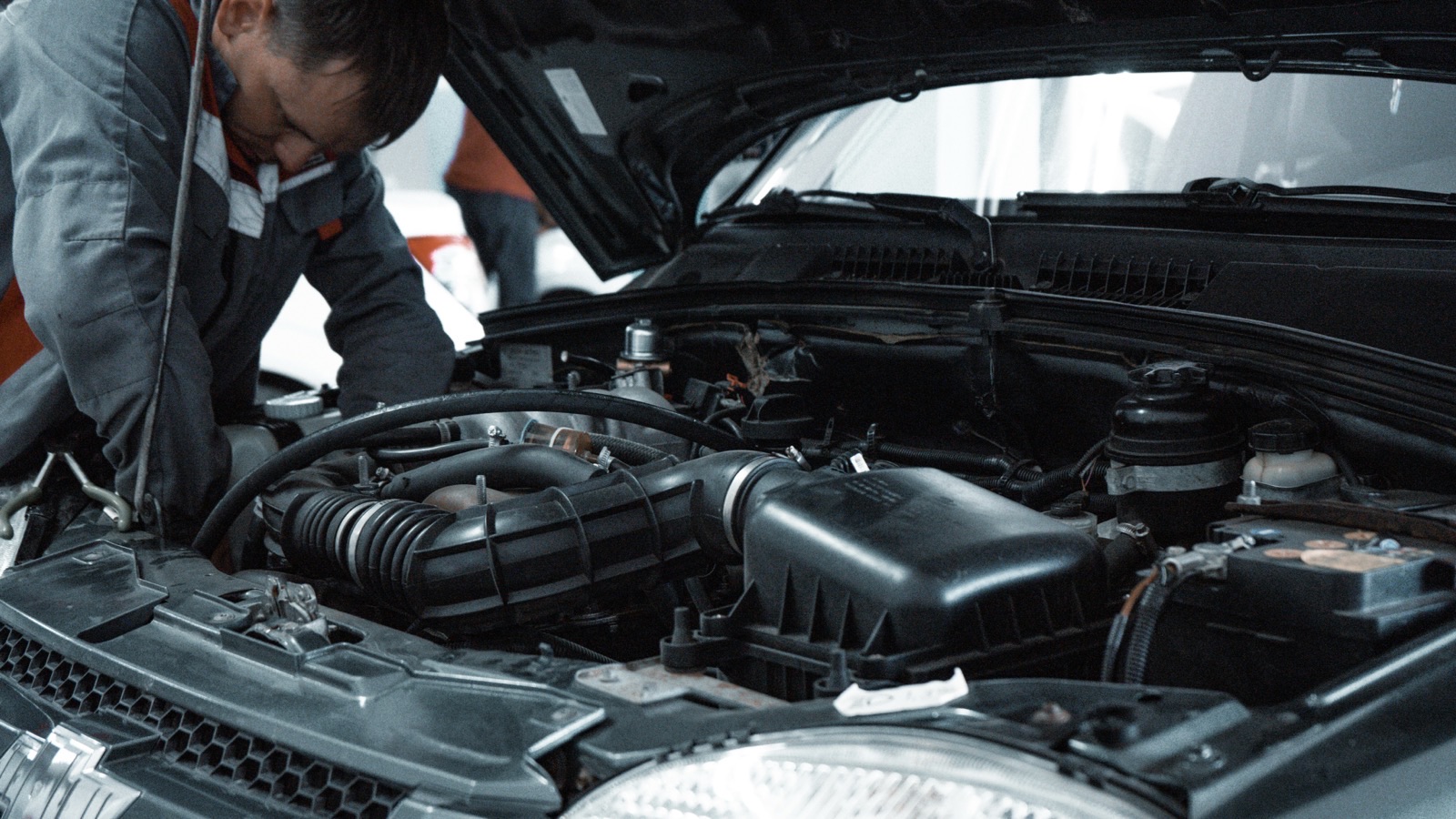
Equipment Failure & Maintenance
Unplanned equipment failures are one of the most expensive and disruptive events in a service operation. The good news: most of them are preventable.
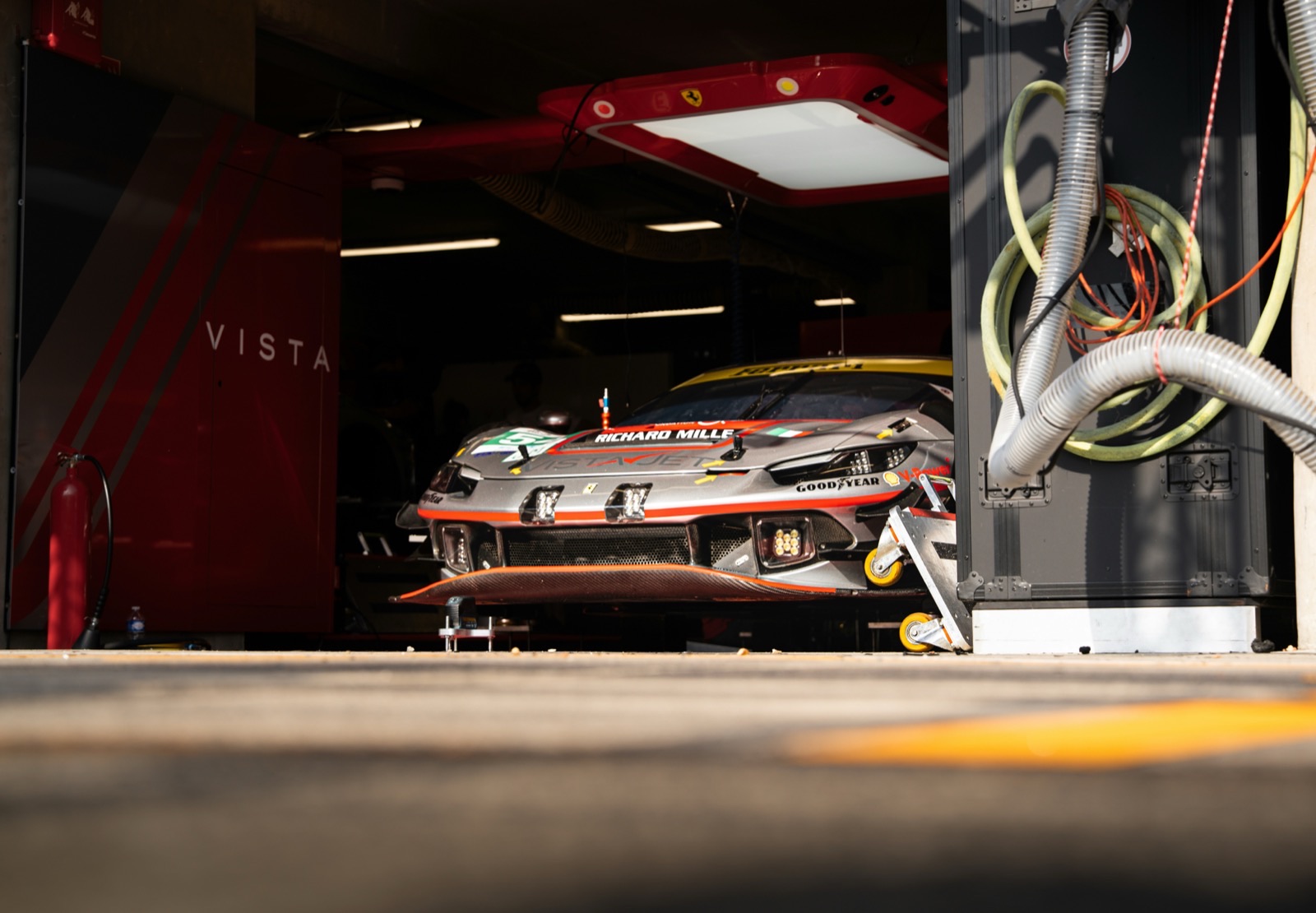
Improper Vehicle Servicing (Miscalibrated Equipment)
Miscalibrated tools don't just cause inconvenience — they create safety risks, warranty exposure, and potential litigation. This is your liability protection and service quality angle.
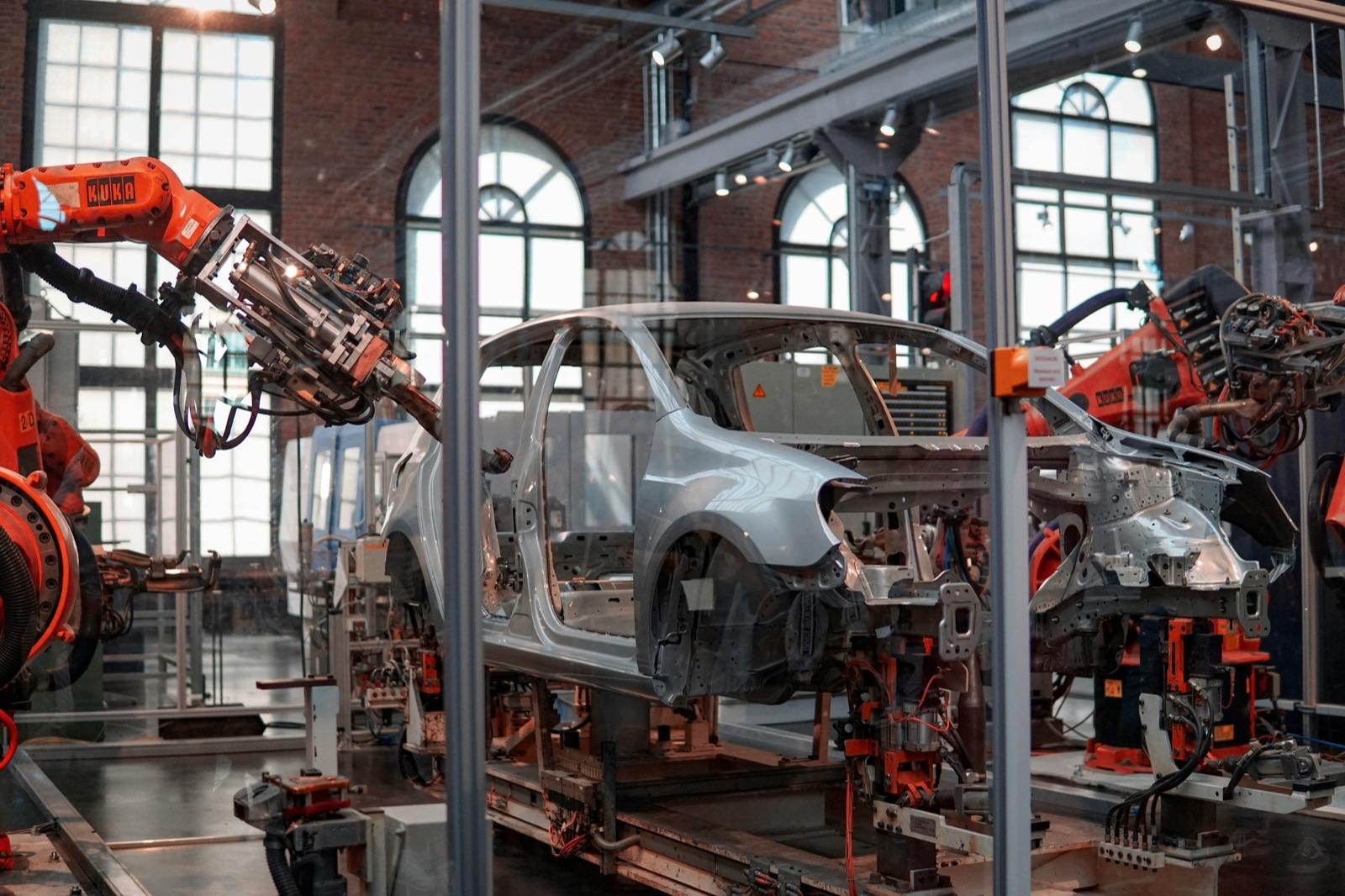
Labor Efficiency (Tool Search Time)
Time spent searching for tools is time not spent generating revenue. It's one of the most overlooked — and most recoverable — costs in a service operation.

Asset Utilization Optimization
Without visibility into how tools are actually being used, shops routinely spend money they don't need to spend.

User Training & Documentation Access
When technicians can instantly access the right procedure for the right tool, everything improves — speed, accuracy, and consistency.
OEM Compliance & Audit Readiness
Maintaining manufacturer certification isn't optional — it's a condition of doing business as an authorized dealership.

Warranty Protection
Equipment warranties represent significant value — but that value disappears the moment a claim is denied due to missing maintenance records.

Injury / Liability Defense
When an injury or accident occurs in a service environment, the first question from legal counsel is always the same: can you prove your equipment was properly maintained?
Predictive Maintenance & Capital Planning
Reactive purchasing is expensive. Replacing equipment in a crisis always costs more — in price, in downtime, and in operational disruption.
ToolMate, tailored for your organization
Talk to our sales team about enterprise deployment, custom integrations, and dedicated support.